2022/Full-Stack/Completed
Qubio Ecosystem
QR/NFC digital identity pages you edit from phone or web.
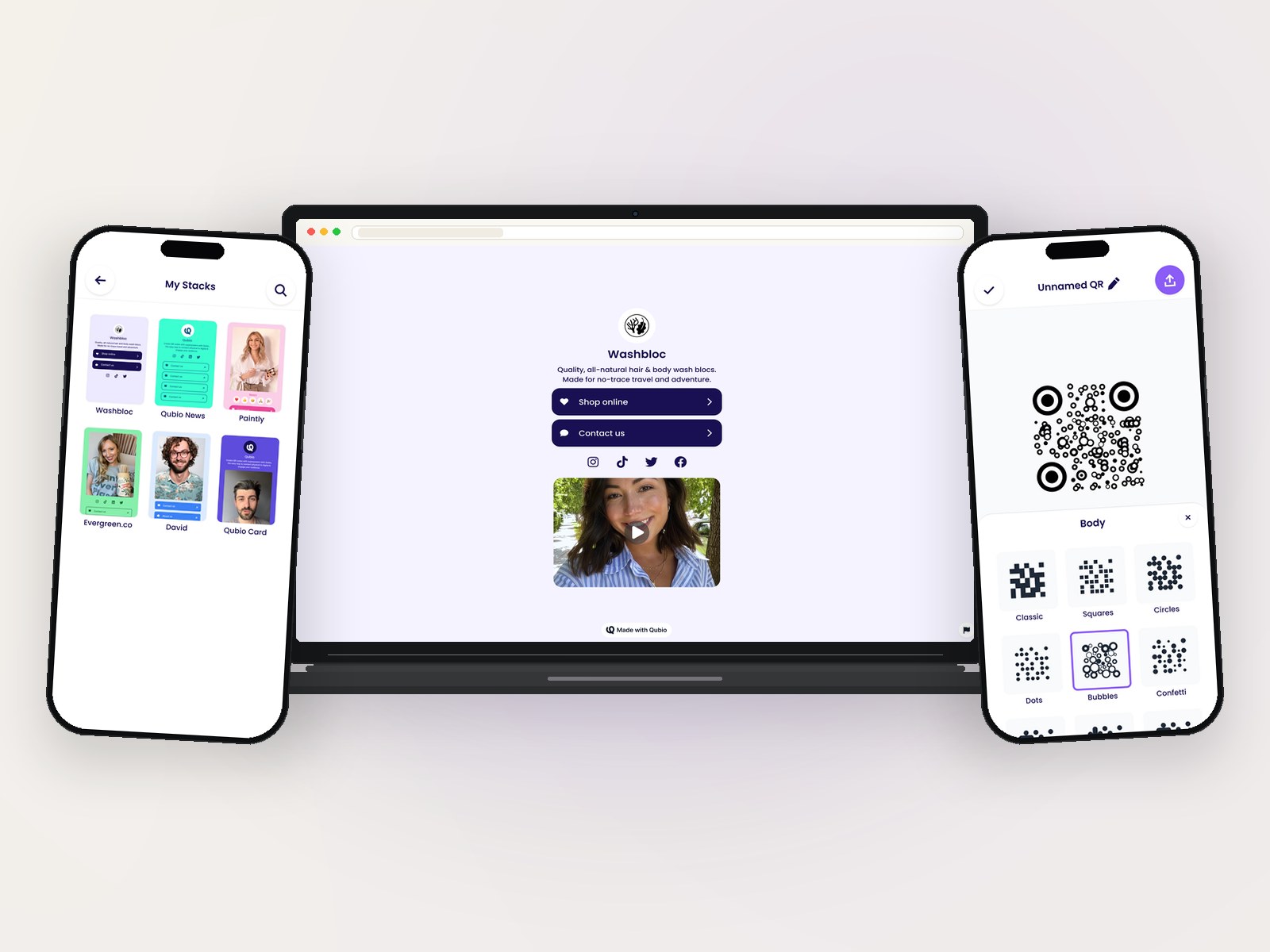
- Problem
- Physical identity (QR/NFC) needed editable digital pages and ops tooling that worked for both field users on phone and admins on web.
- Action
- Owned RN scan/register + page editing, web admin, and D3 analytics against a shared API across an 18-month engagement.
- Result
- International client deployment spanning mobile, web, and network analytics.
- 18-month engagement
- Mobile + web + analytics
- International client deploy
The Problem
An international client needed digital identity that lived on QR and NFC touchpoints — pages people could open from a tap or scan — plus admin tools and analytics so the network’s usage wasn’t a black box.
What I Built
Qubio is a cross-platform identity system I worked on across an 18-month engagement with a distributed remote team:
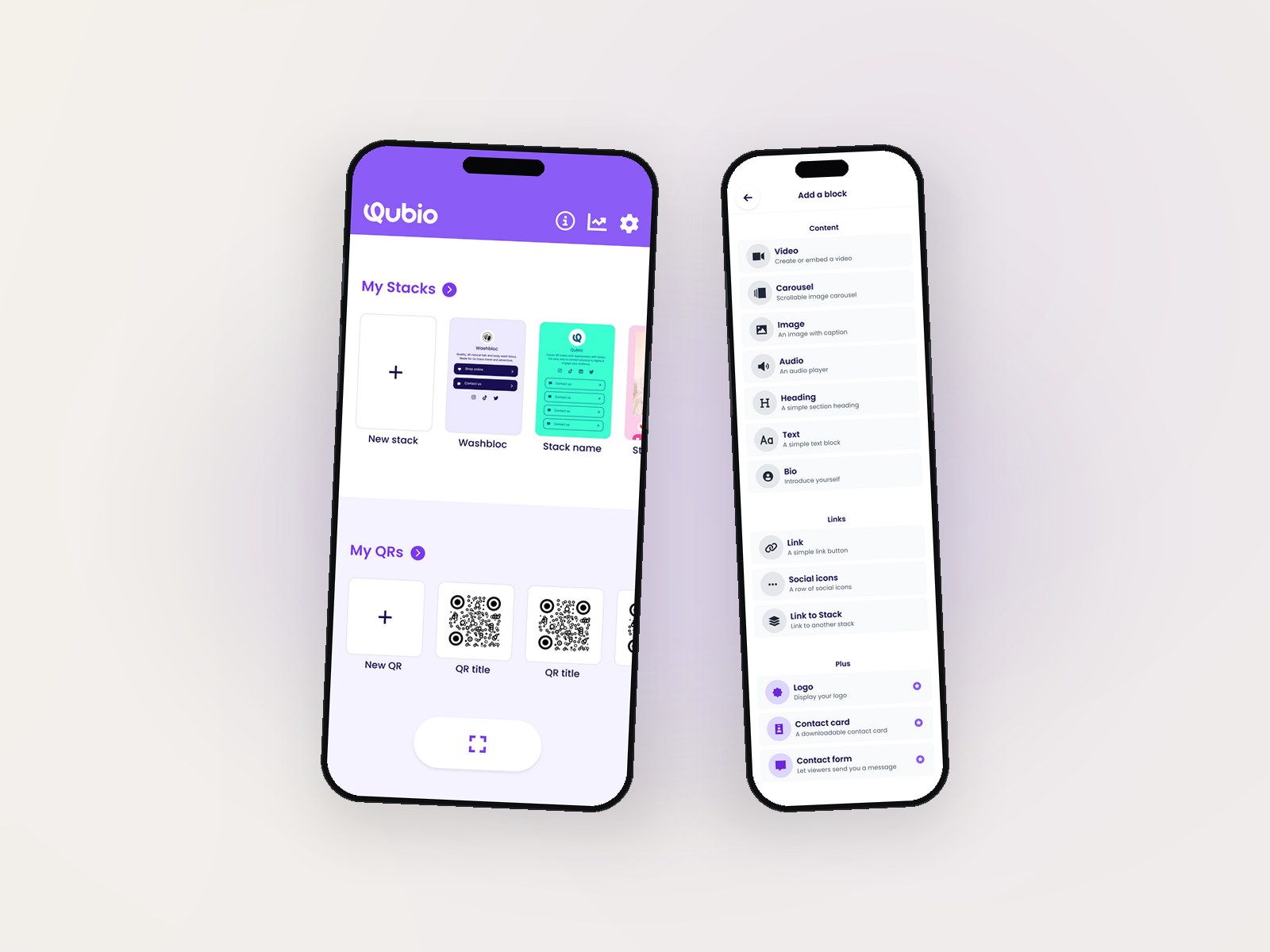
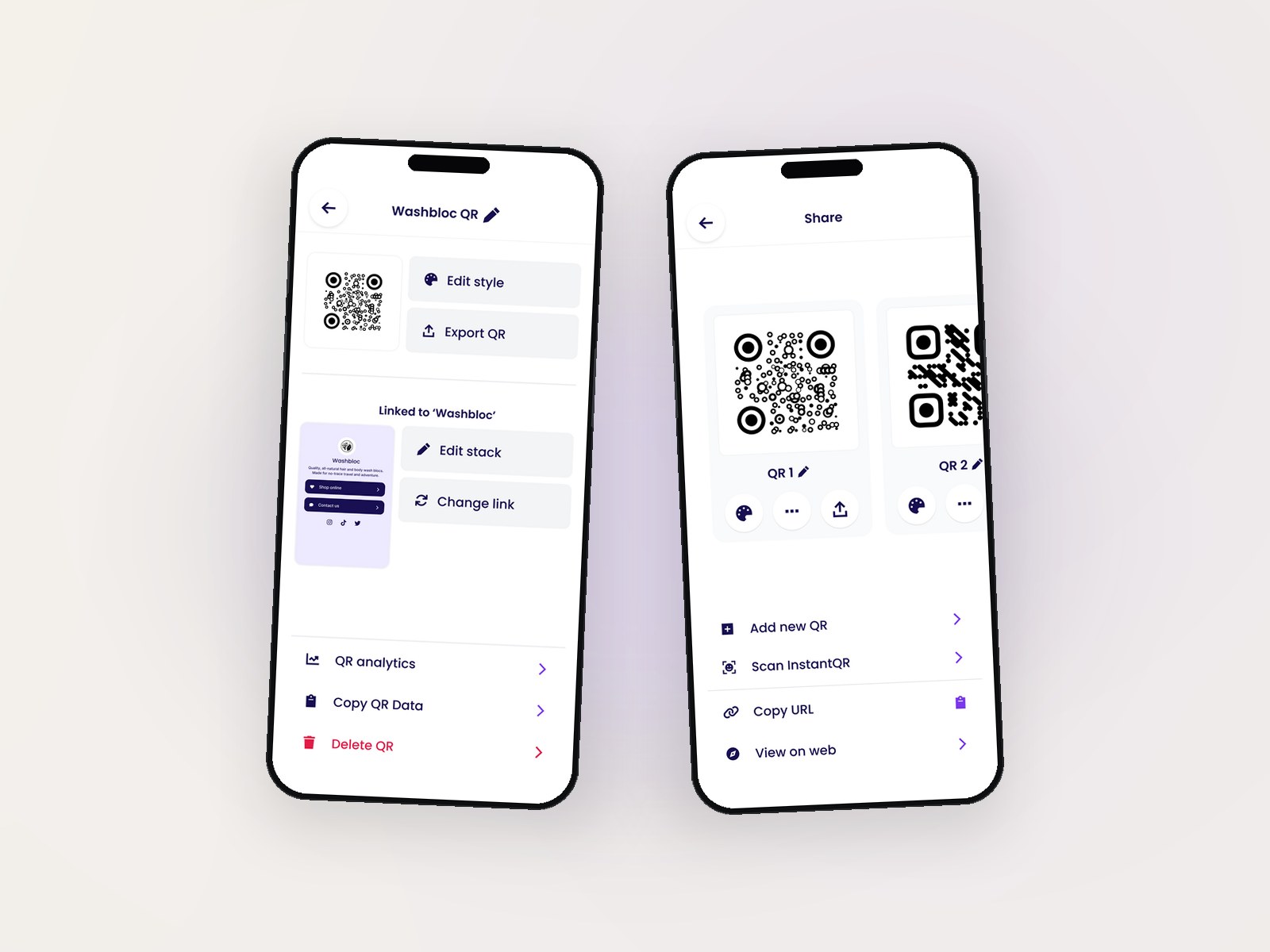
- React Native for scanning/registering identities and editing page content on the phone.
- Web admin for managing pages and the identity network.
- Analytics dashboard (D3) for scan/tap visibility across the network.
- Shared backend so mobile and web read the same source of truth.
Product surface: pages.qubio.me.
Major Features
- QR / NFC identity pages — open, share, and present a digital presence from a physical tag.
- In-app page editing — add blocks / update content without a separate CMS dance.
- Web management — desktop admin for the same identity graph.
- Usage analytics — dashboard views of how the network is actually used.
- Long-running delivery — sustained feature work across time zones for an international deploy.
Key Challenges
Treating the API as a contract mattered: mobile and web couldn’t break each other mid-sprint over 18 months. Analytics had to stay responsive as usage grew — push aggregation down rather than chart raw dumps client-side.
Results
The system shipped and ran in the client’s international operation across the engagement window.
Stack Decisions
Native mobile for field scan/edit, web for admin density, D3 for custom analytics control. A shared API kept identity data from forking into two products.
Building something in this space?
I ship mobile, web, and AI product surfaces end-to-end — from product UI to payments and store releases.
Get in touch →